Alexandra Exter: Pioneering Russian Avant-Garde Artist
Alexandra Exter was a Russian artist who played a pivotal role in the development of the avant-garde movement in the early 20th century. Born in 1882 in the city of Odessa, Exter’s artistic journey would take her from the vibrant cultural scene of her native Ukraine to the bustling art capitals of Paris and Moscow, where she would leave an indelible mark on the world of modern art.
Exter’s early education in the fine arts began at the Odessa Art School, where she honed her technical skills and developed a keen eye for color and composition. However, it was her subsequent studies at the prestigious Imperial Academy of Arts in St. Petersburg that would truly shape her artistic vision. Under the guidance of renowned instructors, Exter was exposed to a wide range of artistic styles and movements, from Impressionism to Cubism, which would later inform her own innovative approach to painting.
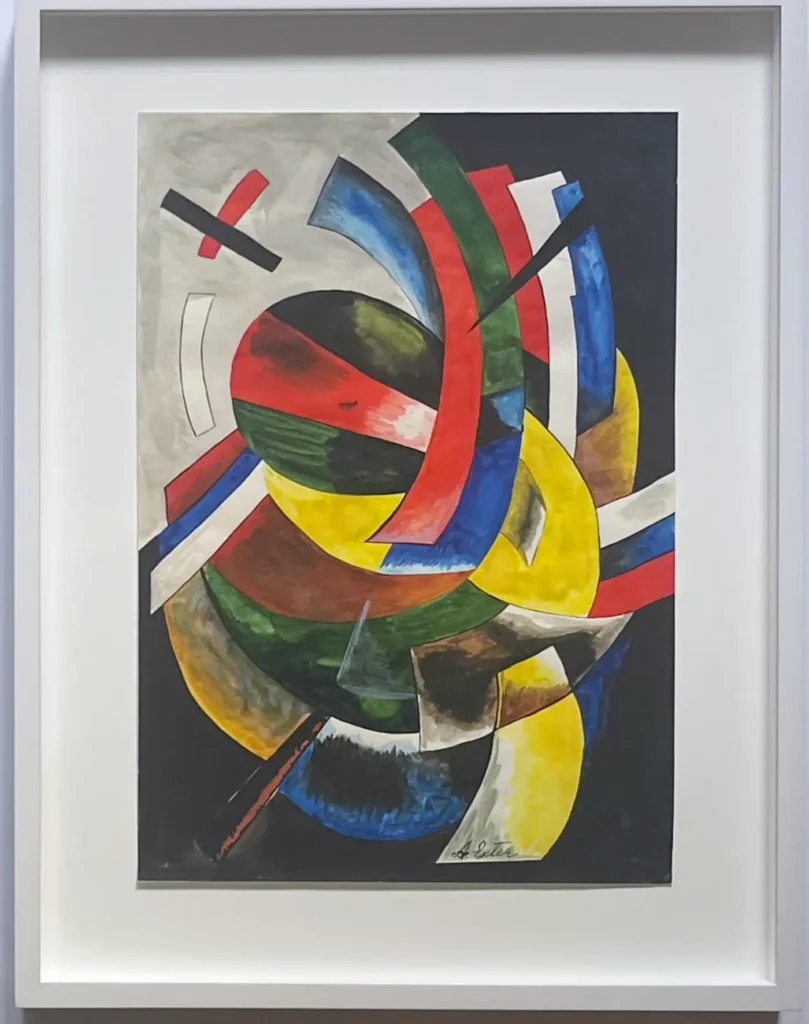
In the early 1910s, Exter became increasingly involved in the burgeoning Russian avant-garde scene, aligning herself with influential groups such as the Jack of Diamonds and the Donkey’s Tail. Her work during this period was characterized by a bold, geometric style that combined elements of Cubism, Futurism, and Constructivism, reflecting the radical social and political changes sweeping through Russia at the time.
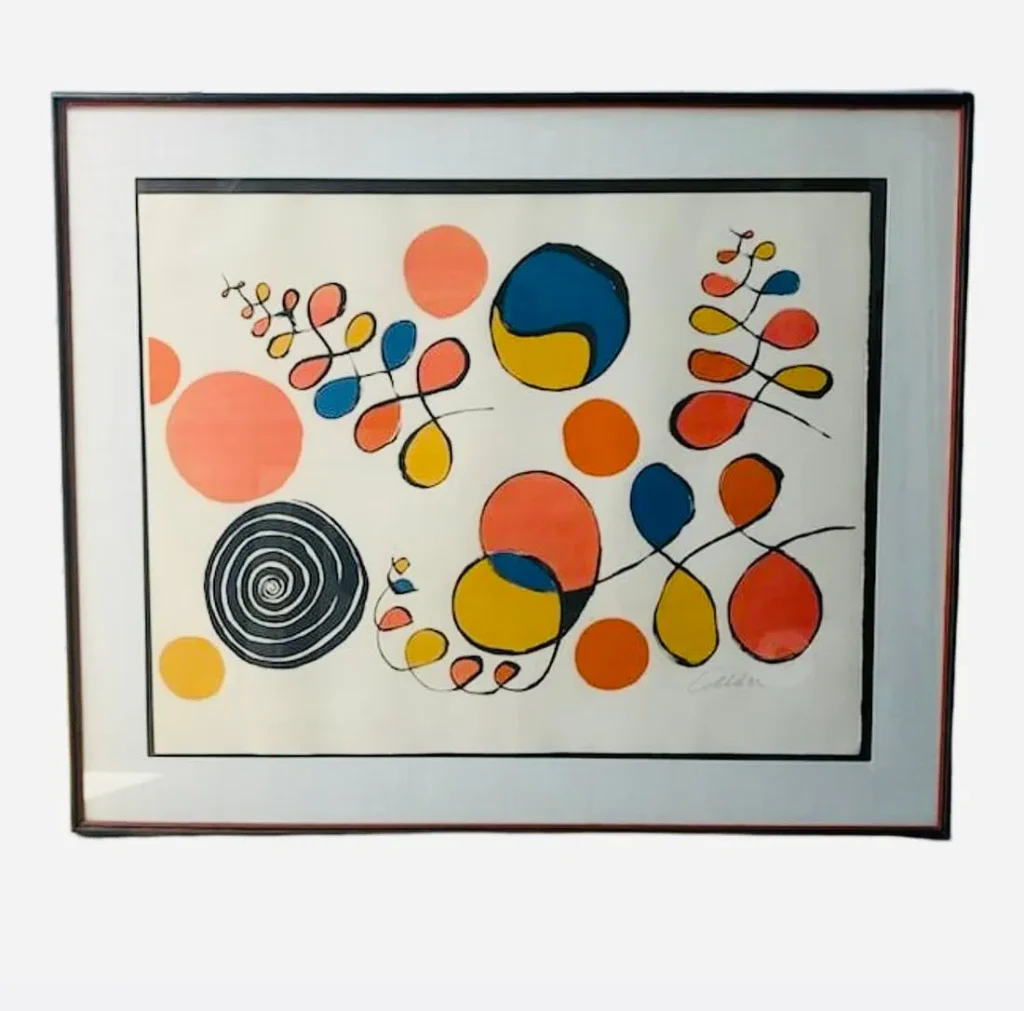
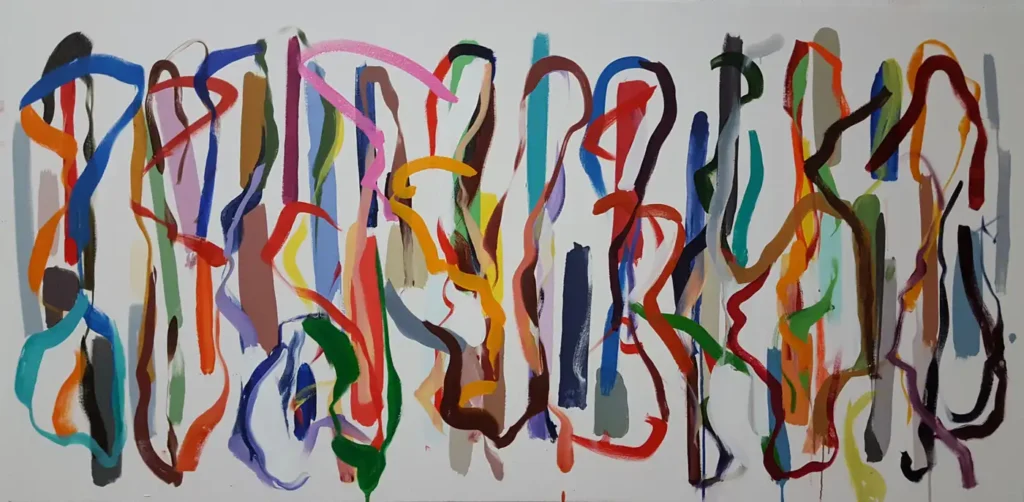
One of Exter’s most notable contributions to the avant-garde movement was her pioneering use of color and form to create dynamic, abstract compositions. Her paintings often featured a vibrant palette of bold, primary colors, which she used to create a sense of movement and energy within the canvas. This innovative approach to color and composition would later influence a generation of Russian and international artists, cementing Exter’s reputation as a key figure in the development of modern art.
In addition to her painting, Exter was also a prolific designer, creating sets and costumes for the Moscow Art Theatre and other theatrical productions. Her work in this field further showcased her ability to blend her artistic vision with practical, functional design, and helped to solidify her status as a leading figure in the Russian avant-garde.
Despite the political upheaval and social turmoil that characterized the early 20th century in Russia, Exter’s artistic output remained remarkably consistent and innovative. Her work continued to evolve and adapt to the changing cultural landscape, and she remained a vital force in the Russian art scene until her death in 1949.
Today, Alexandra Exter is recognized as one of the most important and influential artists of the Russian avant-garde, her work continuing to inspire and captivate audiences around the world. Her legacy as a pioneering modernist and a master of color and form remains a testament to the enduring power of art to transcend the boundaries of time and place.